
Malaga is the largest city on the Costa del Sol in Andalusia, southern Spain. Just 16km from Torremolinos, it is perfectly located for exploring the stunning resorts that line this coast. Malaga is famous for its Moorish and Roman architecture, plethora of museums and as the birthplace of Pablo Picasso! Social media showcases the iconic streets and squares of its old town, but is there more to this city than its historic centre?
Read on to find out!
Quick Tips
- Currency – Euro
- Language – Spanish but English is widely spoken
- Time – One hour ahead of Ireland
- Plugs – Type F plug (the 2-prong rounded one) so pack your adaptor
- Cash or Card – Everywhere we went accepted card and there are plenty of ATMs
- Public Toilets – Not very common in the city centre outside of restaurants and bars
- Tipping – Although not mandatory it is normal to tip 10% or so
How to Get to Malaga
Malaga Airport (AGP) lies just 15 minutes from the city centre and is an ultra-modern building with fantastic facilities. You will arrive in terminal 3 after your 3hrs 10mins flight from Dublin as Terminals 1 and 2 are seldom used. The facilities here are superb and the train station is handily located opposite the terminal exit. You will return to Terminal 3 for your return flight. Arrive early as the airport does suffer from overcrowding a little.
Assuming you don’t hire a car and haven’t booked a private transfer, there are three good options here:
By Bus: The Malaga Airport Express Line A takes you to the city centre from the exit of terminal 3 in around 25 minutes. Tickets can be bought from the driver in cash. Some buses accept card but it’s best to bring the €4 fare with you just in case.
By Train: The Malaga Aeropuerto Train Station sits directly across the road as you exit terminal 3. Regardless of where you are heading you will use the C1 line – south towards Torremolinos, Benlamdena and Fuengirola, or north towards the city. These Renfe operated services run every 20 minutes and a ticket to the city centre costs just €1.80. Trains reach Centro Alameda, the most central station, in 12 minutes. We recommend hopping off at Maria Zambrano Station instead, as it’s a much nicer area and the journey takes just 8 minutes.
By Taxi: You can grab a cab at the taxi rank outside the exit of terminal 3 for around €25 to the city centre. Uber is also popular in Spain and can be a cheaper option. These journeys tend to take around 30 minutes due to traffic so we prefer to use the train or bus instead.
Cheap Package Holidays to Malaga
Where to Stay in Malaga
Malaga has no shortage of accommodation options for holidaymakers. We booked our most recent stay with OnTheBeach.ie and found it to be a seamless service at a great price. Those flush with cash will find all-inclusive and half-board options on their site, with plenty of good three-star options available for those on a tighter budget. We usually opt for a nice four star with breakfast only in a city like this, where eating out is a real treat.
We stayed bed and breakfast at the four-star Barcelo Malaga hotel. We didn’t bother staying half-board since this city has a thriving culinary scene that we wanted to check out. The Barcelo sits conveniently next to the Maria Zambrano Train Station, making it incredibly easy to access from the airport. Its central location, paired with friendly staff and an awesome rooftop pool area, made for a thoroughly enjoyable stay.
The dinner, on the sole occasion we had it, was quite tasty and we could have no complaints with the buffet breakfast either. The hotel is a 15-minute walk from both the city centre and beachfront, which we found ideal.
Food and Drink in Malaga
Food
Eating out is surprisingly affordable in Malaga, especially if you make use of the tapas bars. Even fine food is cheaper than in Ireland, with a decent 3 course meal costing as little as €25. Just wander the streets of the Centro Historico until you spot a restaurant to your liking.
The Meson Antonio restaurant in the heart of the old town is as much about the atmosphere as it is the food. We were charmed by the tavern-like interior and enjoyed a beautiful romantic meal here. Its authenticity is evidenced by the number of locals we met inside. Most visit for the fish but our steak was divine.
The Atarazanas Market is a highly accessible market, open from 8am to 2pm daily. World famous for its beautiful stained-glass window, it’s also an excellent place to grab a feed.

Drink
Hot Beverages: Malaga is packed with dainty cafés to pop into for a brew. We made multiple visits to La Flor Negra for its tasty coffee and fabulous baked goods. Try to visit on an empty stomach because the pastries need to be tried! The pistachio croissants are fantastic.
If it’s just a quick boost you need then you’ll find a few Starbucks cafés dotted throughout the city. Quick and handy!
Alcohol: A pint of San Miguel in Malaga will set you back around €3. Originating from The Philippines, San Miguel have a massive brewery here so it is much cheaper than imported beer. It’s also much nicer in our opinion! Cocktails cost around €10 each which is similar to Ireland.
The Spanish don’t do ‘bars’ in the sense that we do them in Ireland. Most of the options here are tapas bars, best visited if you want a snack to accompany your drinks.
If you solely want drinks or to watch live sports then head to Morrissey’s Public House. You can get a pint of Guinness here for €6.50, though we highly recommend drinking something local instead. The bar is beautiful inside with a merry ambience and cocktails cost just €5.90 during happy hour. This runs from 5pm to 8pm on weekdays.
Our favourite English boozer was the Sherlock Holmes Pub on Calle Molina Lario. We stopped to quench our thirst during the day and found the atmosphere to be very relaxing. The décor is stunning and unique, in the style of the sleuth after which it is named.
Weather in Malaga
Malaga is blisteringly hot in summer, with 30-degree heat that occasionally even touches 40. Winters of around 9 degrees make it fine for sightseeing, but not exactly a winter sun fix. The shoulder seasons of Spring and Autumn bring comfortable mid-20s, perfect for a city break without melting. Rainfall is scarce all year round but the tremendously sunny summer months are ideal for beach holidays. During these months we recommend pairing it with a Costa del Sol resort like Fuengirola, Benalmadena or Torremolinos.
Travel and Transport in Malaga
Travel on Foot: Malaga is a compact city with great footpaths that is best explored on foot. Many of its main attractions are within close proximity of one another. The old town area definitely needs to be explored on foot at a leisurely pace to be truly appreciated. It’s also a safe place for a stroll at night in small groups.
Public Transport: The public transport system in Malaga is excellent and cost effective. The blue EMT City Buses are cheap, easy to find and can be paid for using contactless on board. Taxi ranks are common and Uber is always an option too.
Commuter trains, like the one you may have taken from the airport, are an excellent means of travelling further afield. These trains are handy if heading to resorts like Torremolinos, Benalmadena or Fuengirola. For journeys within the city check out the fantastic 2-line Metro system. The lines meet at Maria Zambrano Station and the fares can be paid for by tapping your card at the barriers.
Vehicle Hire: We don’t really recommend hiring a vehicle here, as the city streets are traffic-heavy and tricky to navigate. The exception would be if you intend on heading further afield. Public transport is still probably the best choice however. If you do choose to rent a car then we recommend using Discover Cars, where you can hire vehicles in Malaga for as little as €23 per day.
Areas and Atmosphere
Any city with a stunning beach and incredible weather could be classed as beautiful. However, Malaga’s great penchant for art and architecture gives it a unique kind of splendor. The laidback Spanish way of life permeates through everything here, making it a serene place for a wander.

Calle Larios
Calle Larios Malaga’s most iconic street, right in the heart of the city centre. This city’s answer to our own Grafton Street is elegant, pedestrianised and buzzing with life. Flanked by 19th-century buildings and stylish cafés, it’s the go-to spot for shopping, strolling or simply soaking up the atmosphere. In summer, the street is covered with canopies to provide shade from the Andalusian sun, making it much more comfortable to wander. It’s also the main stage for local festivals, parades and Christmas lights, adding even more vibrancy.
Malaga Park
Parque de Malaga is a central green park dating back to the late 19th century. It’s nothing spectacular but, with plants from five continents, it’s a pleasant spot to meander through should you find yourself in this part of the city. Shady paths and tiny gardens make it a handy escape from the city heat when you need a breather.
Soho
Soho is supposed to be the city’s vibrant street-art district. In all honesty, it’s completely underwhelming. The murals are scattered far apart, meaning we constantly craned our necks to find them, yet we walked the whole neighbourhood in 20 minutes! A few of the walls are impressive, but overall, it felt pretty run-down. Worth a quick wander if you’re nearby, but don’t expect a buzzing arts hub.
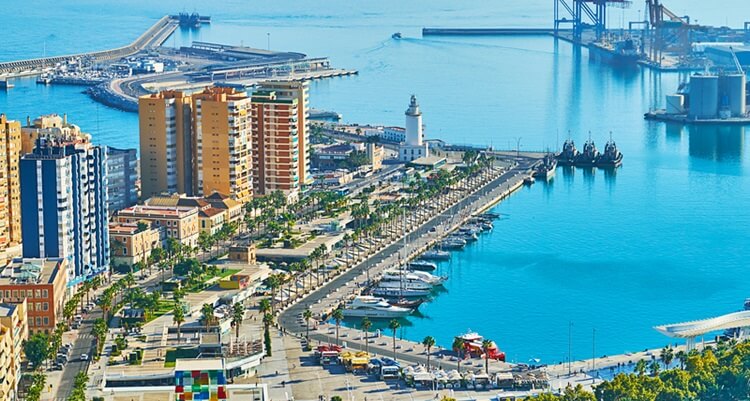
Muelle Uno
Muelle Uno is a captivating open-air shopping and dining complex down at the port. It opened in 2011 and has developed into a buzzy promenade lined with elegant shops, cafés, restaurants and sea views. It also houses Malaga’s only Michelin-starred restaurant, Restaurante Jose Carlos Garcia. It’s super accessible, very lively in the evenings and perfect for a relaxed stroll by the harbour after dinner.
The Beach
The 1.2km long Playa de la Malagueta is Malaga’s most famous beach. Its dark sands don’t quite live up to the standards of the resort towns along the Costa del Sol coast, but it’s still a lovely place for a visit. On hotter days this relatively short beach becomes thronged with people, who make the 30-minute walk to it to escape the heat of the city.
If it’s golden sands you want, head to the resorts to the south, but otherwise this is a perfectly fine beach for a visit.
Atmosphere
Despite having plenty of charm, Malaga can’t compete with a powerhouse like Barcelona in terms of fun. There just isn’t a massive amount to do and see, though Picasso’s presence everywhere gives the city an arty, cultural feel. An abundance of museums (around 40 of them) and colourful festivals add to that creative energy.
Although we found it a friendly place, it definitely leans towards the upper-class side, with lots of people splashing out in designer shops and fancy cafés. It feels polished and stylish but still has enough Andalusian spirit in its tapas bars and plazas to keep things authentic. The coastal aspect and the presence of pretty beaches means that you can always escape the city centre and find somewhere to chill out.
Things to Do in Malaga
Malagueta Beach
Playa de la Malagueta is Malaga’s most famous beach. A 30-minute walk from the city centre means it’s handy enough to reach on foot. This 1.2km stretch has a lively atmosphere but its dark sands can’t rival the silky soft beaches you’ll find elsewhere on the Costa del Sol.
Facilities are decent with showers dotted around, although we didn’t notice many toilets. Sunbeds can be rented for around €8 each if you’re planning to sunbathe. One quirky feature you’ll find here are the sardines on a spit, or espeto de sardinas, which are grilled right on the beach. These are an iconic Costa del Sol sight.
Sadly, a less enjoyable feature are the persistent vendors constantly trying to sell you bits of junk. Overall, it’s grand for a quick dip or a beachy afternoon, but the region’s best stretches of sand in Fuengirola, Benalmadena and Torremolinos are just a train ride away.

Explore the Old Town
Malaga’s Centro Historico is the city’s surreal old town area and easily the best thing to see here. It’s a fascinating mash-up of Moorish, Roman and Catholic influences, each era leaving its stamp on the streets and skyline. The Alcazaba and Gibralfaro Castle are both tucked away here, so you’ll hit plenty of landmarks without ever straying far.
The best way to explore the old town is to ditch the map and just wander. Most of this area is pedestrianized which makes it perfect for meandering down old narrow streets and stumbling across hidden squares, dainty shops and tapas bars that beg for a pit stop. There’s something very atmospheric about getting lost here.
That said, there is a lot to take in here so we booked a guided walking tour for just €12 and it was absolutely worth it. We covered all the main sites while learning about the city’s customs like the Holy Week processions and the colourful Feria. For 90 minutes you’ll witness the city with fresh eyes and come away with a much deeper appreciation of its past.
Centro Historico Guided Walking Tour
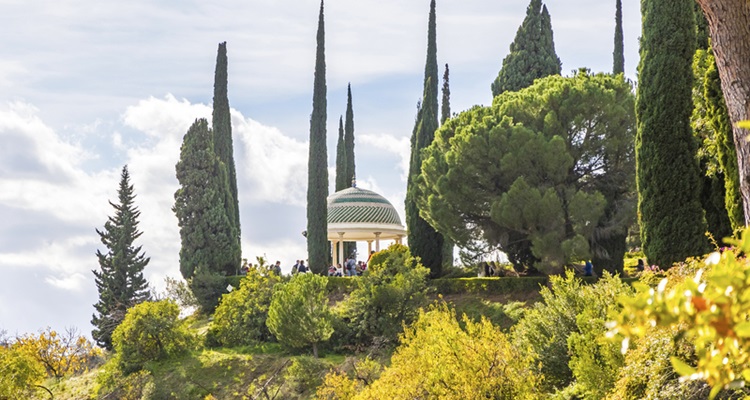
The Botanical Gardens
Should you fancy a break from the bustle of Malaga, the Jardin Botanico Historico La Concepcion is a lush escape. Created in 1855 by the Marquises of Casa Loring, it’s now home to more than 2,400 exotic plants and is an architectural gem.
Peaceful paths wind through themed gardens, making it a lovely spot for a wander. Entry is very cheap at €5.20 and it’s open daily until 8:30pm in summer or 5:30pm the rest of the year. Maps are available both on paper and via your phone
Although not completely accessible, enough of the gardens are manageable by wheelchair to warrant a visit. The main drawback is that it’s not really walkable from the city centre, so you’ll need to use public transport. Still, for plant lovers or anyone needing a breather, it’s probably worth the trip.
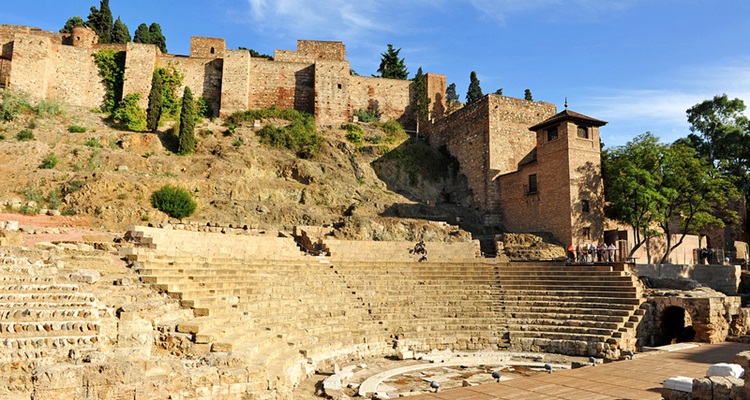
The Alcazaba
The Alcazaba of Malaga is one of the best-preserved Moorish fortresses in Spain, built in the 11th century by the Hammudid dynasty. Its main entrance is on Calle Alcazabilla, right beside the Roman Theatre, so you can tick off two of the city’s top sites in one go. Inside you’ll find winding walkways, ancient defences and lush gardens that feel worlds away from the busy city centre.
Tickets cost €7 or €10 when combined with Gibralfaro Castle. You can grab your tickets at the entrance and there’s a free audio guide for your phone. We found this to be painfully dull and hard to hear so we booked a guided tour that paired the Alcazaba with the Roman Theatre (link below) for just €27 including the entrance fee. Our guide Daniel was awesome!
The Alcazaba is open from 9am to 8pm in the summer. There’s an elevator for those with accessibility issues but it was out of action when we visited, so don’t rely on it.
Right outside sits the 1st-century Roman Theatre of Augustus, beautifully framed with the Alcazaba as its backdrop. It’s free with a small visitor centre and open from 10am to 4pm. Behind it all, perched higher on the hill, sits Castillo de Gibralfaro, which costs €7 or €10 if paired with the Alcazaba. It isn’t as impressive inside but the panoramic views are unbeatable.
Sadly, we found that none of these sites were wheelchair accessible.
Guided Tour of The Alcazaba and Roman Theatre
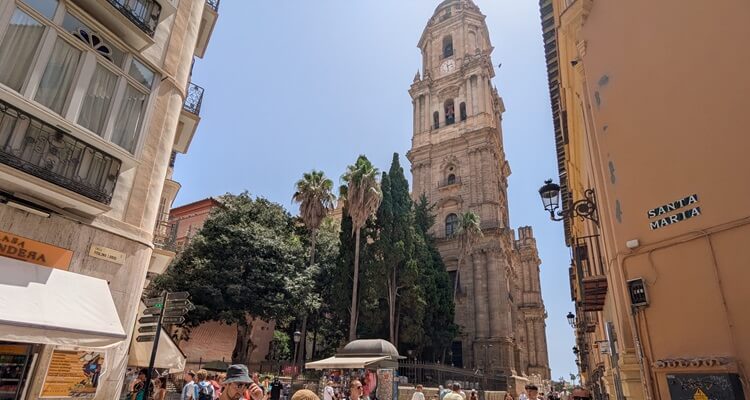
Malaga Cathedral
The Santa Iglesia Catedral Basilica de la Encarnacion is a magnificent blend of Baroque and Renaissance architecture that took from 1528 to 1782 to build. It’s known locally as La Manquita, meaning the one-armed lady, because the south tower was never completed. This gives it a lopsided look, though the north tower still dominates the skyline as the second tallest structure in Andalusia.
Tickets cost €10 at the gate and include a free audio guide. The interior is well worth a look for its ornate chapels, soaring ceilings and two incredible 18th-century organs. You can also head up to the roof for panoramic city views.
It opens daily from 9am to 8pm and is a good way to kill an hour as it’s very handily located in the Centro Historico. Unfortunately, it’s not accessible, but even non-religious visitors will appreciate its beauty.

Atarazanas Market
Mercado de Atarazanas is Malaga’s big indoor market and an easy stop while wandering the city. Parts of the building date back to the 14th century, though the market itself was restored in 1979. The standout feature is the giant stained-glass window at the back, a colourful depiction of the city’s history that’s worth seeing in its own right.
Inside, it’s very much a food-lover’s paradise with piles of fresh fruit, veg and a huge fish section that smells exactly as you’d expect! To be honest, we were picturing something along the lines of La Boqueria market in Barcelona and found Atarazanas a bit underwhelming. It’s smaller than expected and feels more geared towards tourists than locals, with prices to match. It’s hard to imagine many locals actually do their weekly shopping here.
There are a few little tapas bars and food stalls if you want something cooked and it’s fully accessible, which is a plus. Open Monday to Saturday from 8am to 2pm, it’s worth a quick wander to soak up the atmosphere and snap a photo of the stained glass, but we wouldn’t bother actually shopping here.
Visit a Museum
Malaga is home to around 40 museums so take your pick! As Pablo Picasso’s birthplace, a visit to the Picasso Museum is almost compulsory here. It’s small, handily located in the old town and packed with paintings. Our tickets cost €13 and included a free audio guide. These can be purchased through the link below. If you aren’t an art-lover then you may not be all that interested, but it’s still a slice of history and worth ticking off if time allows. The Picasso Museum is open daily from 10am to 7pm.
A short walk away you’ll find the Carmen Thyssen Museum. Housed inside a gorgeous 16th-century palace, it showcases colourful paintings of Andalusian life from a wide range of artists. It’s less hyped than the Picasso but feels more varied and accessible. Open Monday to Saturday until 8pm, tickets cost just €12 and there’s a pleasant little shop and restaurant onsite.
Finally, if art isn’t your thing at all, hit up the OXO Video Game Museum. Spread over three floors, it’s a brilliant interactive run through gaming history, from the first arcade machines to today’s latest consoles. Adult tickets are €15 and we easily lost over an hour playing the games ourselves. It’s informative, fun and perfect for kids and big kids alike.

Visit Torremolinos, Benalmadena or Fuengirola
Should you fancy a day at a coastal resort, the C1 Cercanias train line makes things ridiculously easy. Just head to the Centro Alameda or Maria Zambrano train station, tap your bank card at the gate (or grab a ticket from the machine) and hop aboard. The line runs from Malaga to Fuengirola, stopping at Torremolinos and Benalmadena along the way. Fares are cheap too, with even the furthest stop less than €5, so there’s no excuse not to explore!
Torremolinos is just a 23-minute train away. Check out Playa de la Carihuela, the go-to beach here, or head to Aqualand Water Park for some thrills. Calle San Miguel, Torremolinos’ main pedestrian street, is also worth a look for its shops and cafés.
Benalmadena is about 31 minutes from Malaga by train and really comes alive in the evenings. The marina is unquestionably its star attraction, though Playa de Bil Bil beach and Sealife Aquarium are both worth a few hours too.
Fuengirola, around 46 minutes away, is the final stop. Here you can stroll Fish Alley for dinner, relax at Los Boliches beach or explore the fantastic Bioparc zoo. There’s far too much in each of these resorts to cover here so check out our full guides below.
Our Essential Travel Guide to Benalmadena
Our Essential Travel Guide to Fuengirola
Is Malaga for You
Check out our International Guides for some affordable alternatives!